














Even though it took several months—and a few trips between California and Texas and many phone calls—for them to begin an official courtship, Hina Moheyuddin and Shahmeer Halepota have to thank Hina's eldest sister for setting them up. Amina Moheyuddin introduced the two attorneys, and at first, their relationship began as just friends.
But after Shahmeer offered to pick up Hina from the Houston airport, they knew by the end of their hour-and-a-half drive that they wanted to pursue something more serious. Just over a year later in January 2023, they were engaged.
The couple's proposal followed proper tradition. Shahmeer's family visited Hina in California and then Hina visited his family in Arizona. After receiving the families' blessings, the two then had their larger celebration in Pakistan. Shahmeer asked Hina to marry him in the beautiful tile work of the Shah Jahan Masjid in Hyderabad, the same Shah Jahan behind the construction of the Taj Mahal.
After such a grand process, the couple was guided by a few tenets for their stateside wedding that took place November 15-17, 2024. It would be convenient yet special for their guests, true to them, and embrace the natural beauty of Arizona. In short, they wanted a mini-destination experience that didn’t feel like a cookie-cutter ballroom reception. They enlisted Over The Moon The List Planner Anaïs Events to bring their visions to life and Over The Moon The List Photographer Rebecca Yale and Over The Moon The List Videographer Rene Zadori to lens every event.
Every event had its own distinctive style. The mehndi was colorful and vibrant, a stark contrast set against the backdrop of Camelback Mountain. Meanwhile, the nikkah was light, whimsical, and ethereal, tucked away in a serene part of Northern Scottsdale with peaceful mountain views that felt almost sacred. The valima had an elegant ambiance infused with Sindhi tradition.
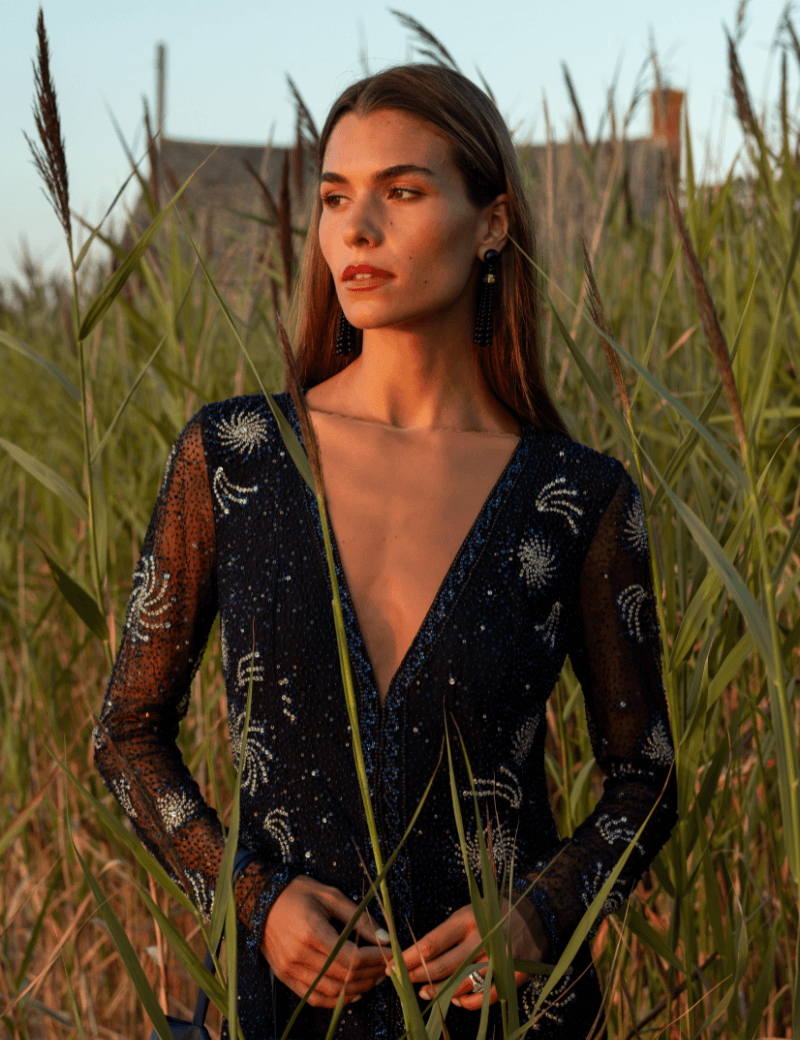
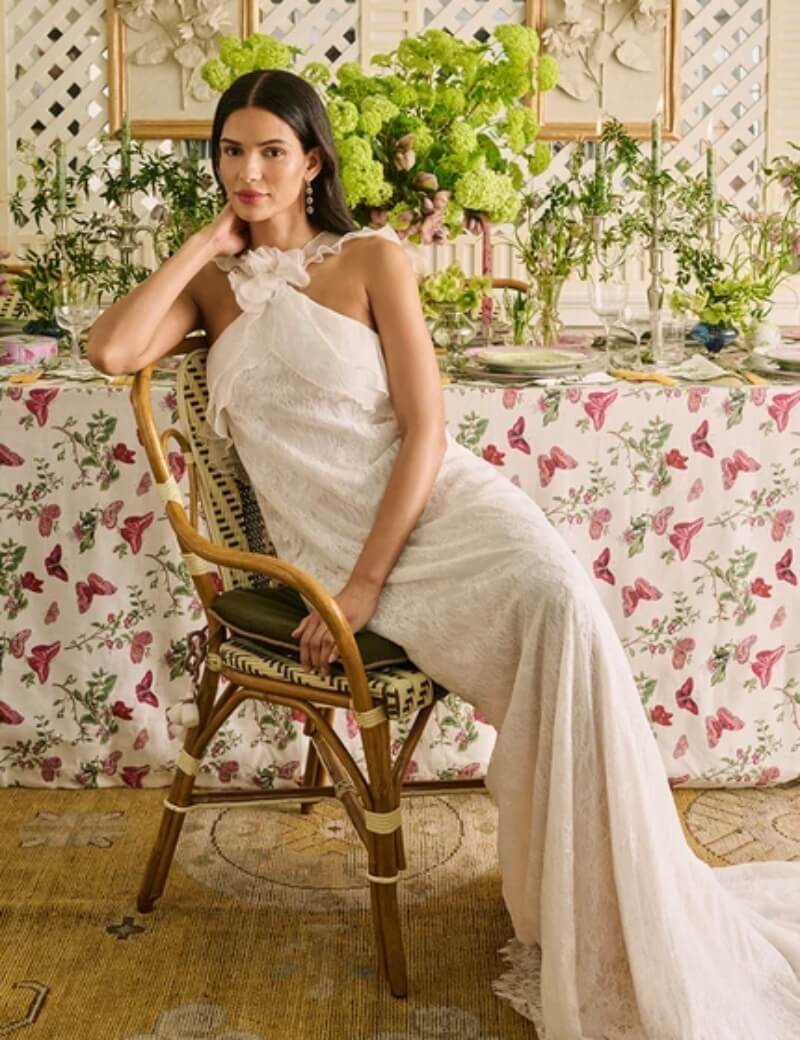
The couple's wardrobes were just as carefully chosen for each part of the wedding weekend. Hina explains, "Each look told a part of our story—woven with love, intention, and a little sparkle." For example, for the mehndi, Shahmeer donned a white shalwar kameez with a green scarf hand-sewn in Pakistan that was given to him by Hina's family. At the nikkah, he wore a shawl that was purchased from the same shop where Hina's mother found her own wedding dress. Hina dressed in lilac for the nikkah with sentimental pieces like a diamond necklace from her groom's family. For the qawwali, her mother and sister designed her dress, and the bride even wore one of her mom’s heirloom sets with it. Her soon-to-be mother-in-law also chose her designer for the valima.
The mehndi's ceremony began with appetizers, mocktails, and the rasam. The bride's henna was masterfully applied by Henna by Deepa, and her makeup by Priyanka Babariya and hair by Luli Sela. Afterward, traditional Pakistani food was served, and guests either danced the night away or watched the couples’ family and friends and even the couple themselves perform choreographed numbers—a fitting way to kick off the weekend. In lieu of a traditional first dance, the couple surprised the crowd with their routine to Chingy’s “Right Thurr."
At the nikkah, each guest received a blanket and hand warmers, which complemented the hot chocolate bar. Harpist Alla Yashneva serenaded the crowd. Following the ceremony, guests were transported to another outdoor pavilion where they were provided appetizers, mocktails, chocolate chip cookies, and a harpist who played various modern classics. The couple rejoined their guests towards the tail end of the mocktail hour, which culminated in a lilac-colored fireworks show right at sunset.
From there, anyone who wanted to perform the maghrib prayer prayed, while the rest entered the dinner hall for custom fragrances, tickets to a qawwali performance, and a chrome photo booth. The newlyweds entered the space, which was followed by a father-daughter dance and speeches from the groom’s brother, the bride’s sisters, and the bride’s best friends. Dinner was then served.
Following the meal, guests were led to another ballroom for a qawwali performance from the Sabri Brothers. Pakoras in custom urdu newspapers, were served along with chai and desserts. Afterward, the rukhsati—the departure of the bride from her family home—happened with great emotion. "Surrounded by our family and friends, we walked together to the entrance of the hotel where a car was waiting," Hina recalls.
Later that night, the couple commenced with a family tradition in which their loved ones visited their room and bestowed them with blessings and small gifts. "Everyone brought something sweet, both literally and figuratively," Hina says. "It’s something that also happened after my mother-in-law's nikkah, and being part of that tradition made it feel even more special. It was the perfect, quiet close to an otherwise whirlwind weekend—filled with warmth, laughter, and love."
For the valima, the ballroom opened to greet guests with a custom tapestry, an ajrak—a traditional Sindhi shawl, and custom bookmarks and by a four-string quartet. The bride and groom then entered the hall to the tune of a violinist's live rendition of “Can’t Help Falling in Love." There was then a religious recitation, along with a speech by the groom’s father and the groom.


